Choosing the right door is a key element in decorating both a home and an office. Doors are not only practical, but also aesthetic, influencing the appearance of the interior and the comfort of use. Properly selected doors can emphasize the style of the room, provide adequate acoustic and thermal insulation, and increase the level of security. In this article, we will discuss how to choose the right door so that it meets all the requirements and is suitable for a given room.
Boki Group doors harmonize with the rest of the interior design, while offering durability and resistance to everyday use. It is worth paying attention to the materials from which they are made, as well as additional security measures, such as anti-burglary locks and solid hinges. When choosing entrance doors, it is particularly important that they are resistant to weather conditions and provide an appropriate level of thermal insulation.
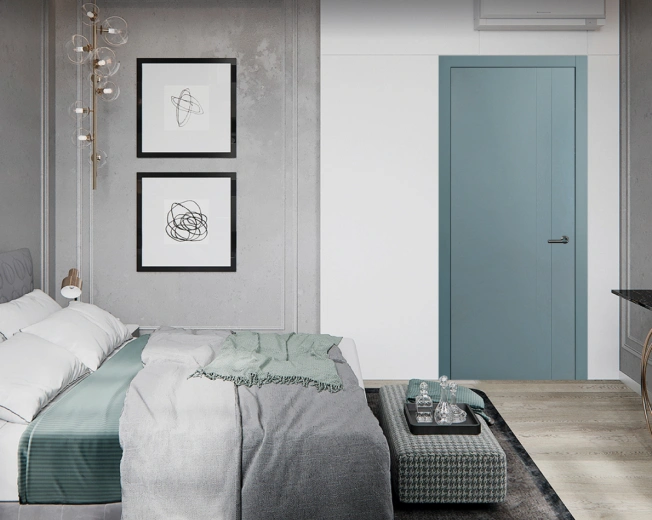
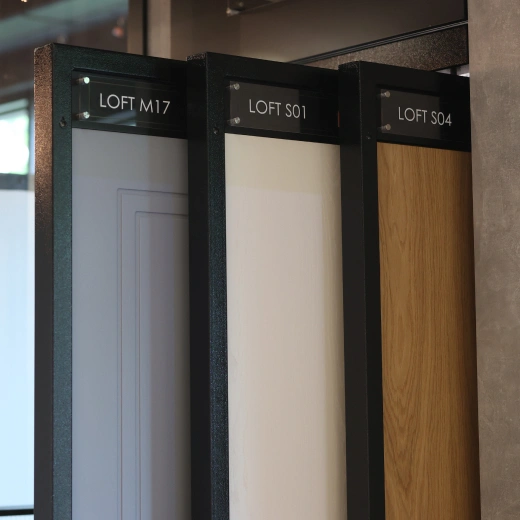
The aesthetics of the doors also play an important role. Boki Group doors are available in a wide range of colors, finishes and styles, which allows them to be matched to various interior designs. Modern doors can be minimalist and smooth, while classic-style doors often have decorations and milling.
Functionality
Choosing functional doors is a key element in the interior design process. Doors should be practical, comfortable to use and adapted to the specific needs of a given room.
Type of room
- Bathroom doors:
- They should be moisture-resistant so they don’t deform.
- It’s worth choosing doors with ventilation (vents or special holes) to ensure proper air circulation.
- Kitchen doors:
- They should be easy to keep clean, resistant to dirt and grease.
- They can be solid or glazed to allow for more light inside.
- Bedroom doors:
- They should provide privacy and good sound insulation to ensure peace and quiet during sleep.
- Doors to the office:
- Good sound insulation is important to minimize outside noise.
- They can be solid or glazed, depending on the need for light and privacy.
Opening method
- Swinging doors:
- A classic solution, available in single or double leaf versions.
- They require space to open, which can be problematic in small rooms.
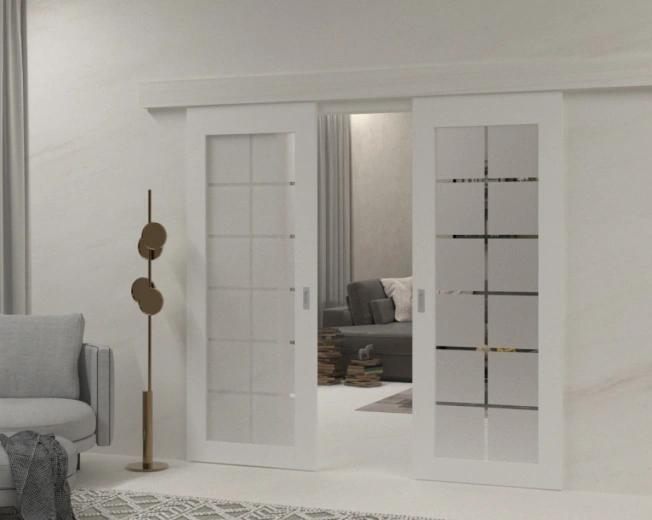
- Sliding doors:
- Ideal for small rooms, because they do not take up space when opening.
- They can be mounted on the wall or hidden in a cassette inside the wall.
- Folding doors (accordion):
- They fold like an accordion, saving space.
- They work great in narrow corridors or dressing rooms.
- Revolving doors:
- Mounted on a central hinge, they rotate around their own axis.
- Modern and effective, but require adequate space.
User friendliness
- Handles and locks:
- Handles should be ergonomic and easy to use. It is worth paying attention to the material and quality of workmanship.
- Locks can be of different types: standard, anti-burglary, electronic.
- Hinges:
- They should be solid and durable so that the door opens smoothly and without problems.
- Consider hidden hinges, which are invisible when the door is closed, which adds aesthetics.
- Door threshold:
- A threshold can provide better acoustic and thermal insulation.
- It can also be integrated with an automatic seal that lowers when the door is closed, providing additional tightness.