Key elements of anti-burglary protection
Reinforced metal construction The basis of reliable doors is a solid steel door leaf and a rigid frame. Thick sheet metal, reinforced stiffening ribs, and a closed profile significantly increase the door’s resistance to deformation.
Multi-point locking system
Burglar-resistant exterior doors are equipped with several locks of different types (lever lock and cylinder lock) that bolt the door leaf at multiple points at the same time.
Anti-pry bolts
Even if someone attempts to cut through the hinges, the door leaf remains seated in the frame thanks to anti-burglary bolts.
Lock-area protection
Armored escutcheons, reinforced rosettes, and recessed cylinder inserts prevent drilling and breaking the lock—among the most commonly used burglary methods.
One of the most effective solutions is a manganese plate, installed inside the door leaf in front of the lock area. This is a component made of high-manganese steel designed to protect the locks against:
- drilling,
- milling,
- forced damage using drills and hole saws.
Thanks to its special steel composition, the material hardens under impact loads, making mechanical processing with standard tools practically impossible.
How a manganese plate works in exterior doors
During an attempted break-in, the drill bit quickly overheats and loses its cutting properties, slowing down the process of forcing the door. At the same time, noise levels and the risk to the intruder increase. This time factor and added difficulty are a key part of effective anti-burglary protection.
Burglary resistance classes for exterior doors
When choosing an exterior door, it’s worth paying attention to the protection class:
- RC2 – basic protection against opportunistic break-in attempts,
- RC3 – the optimal level of security for single-family houses and apartments,
- RC4 and higher – enhanced protection for facilities with high security requirements.
Currently, the most commonly chosen option is RC3 burglar-resistant exterior doors, offering a sensible compromise between security, price, and ease of use.
Thermal and acoustic insulation as an added benefit
Modern burglar-resistant doors are not only about protection but also high user comfort. A multi-layer door-leaf filling, an insulated frame, and several seals provide:
- high thermal insulation,
- effective noise protection,
- resistance to temperature and humidity changes.
This is especially important for exterior doors installed in detached and terraced houses.
Design of burglar-resistant exterior doors
Today, security does not mean aesthetic compromises. Burglar-resistant exterior doors can feature:
- MDF or HPL cladding,
- decorative panels imitating wood or stone,
- RAL-color finishing,
- a minimalist or luxurious design.
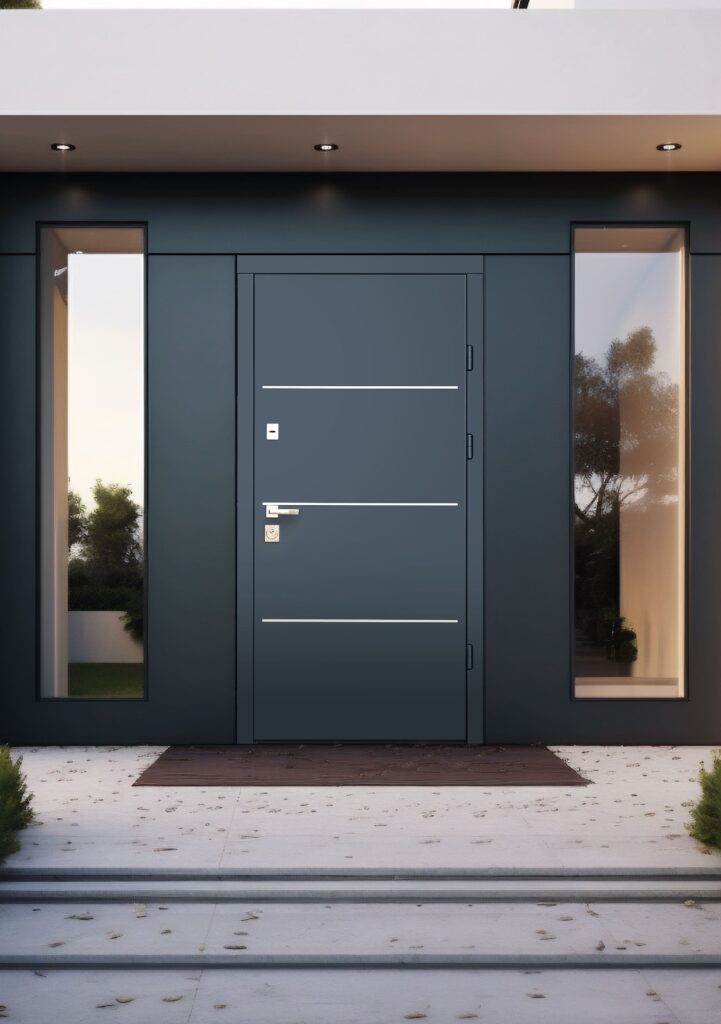
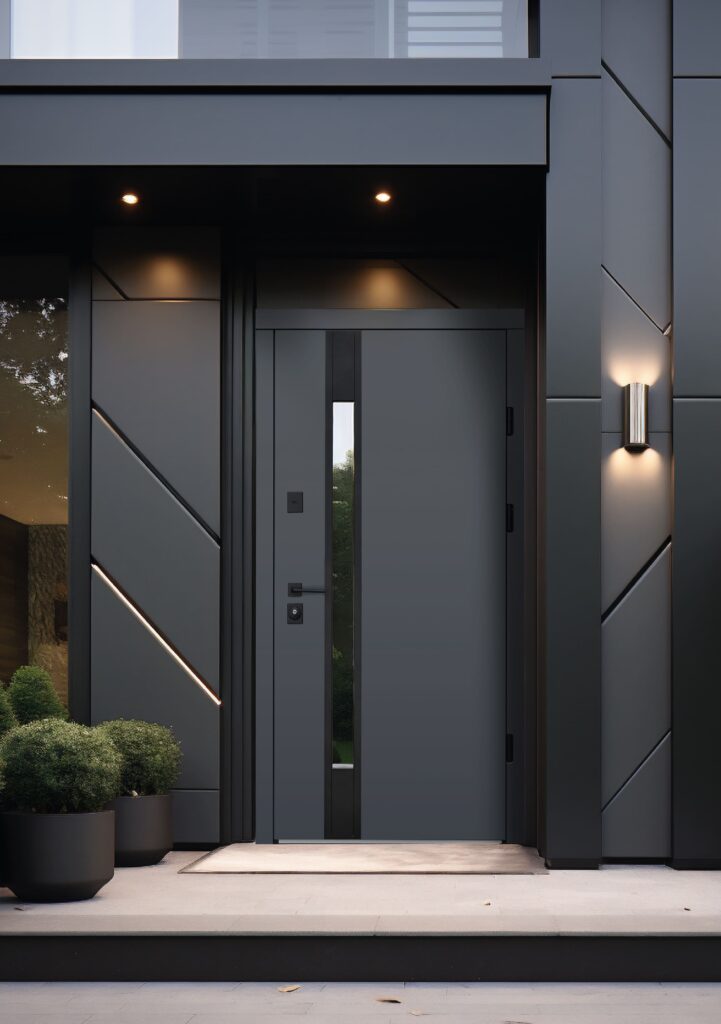
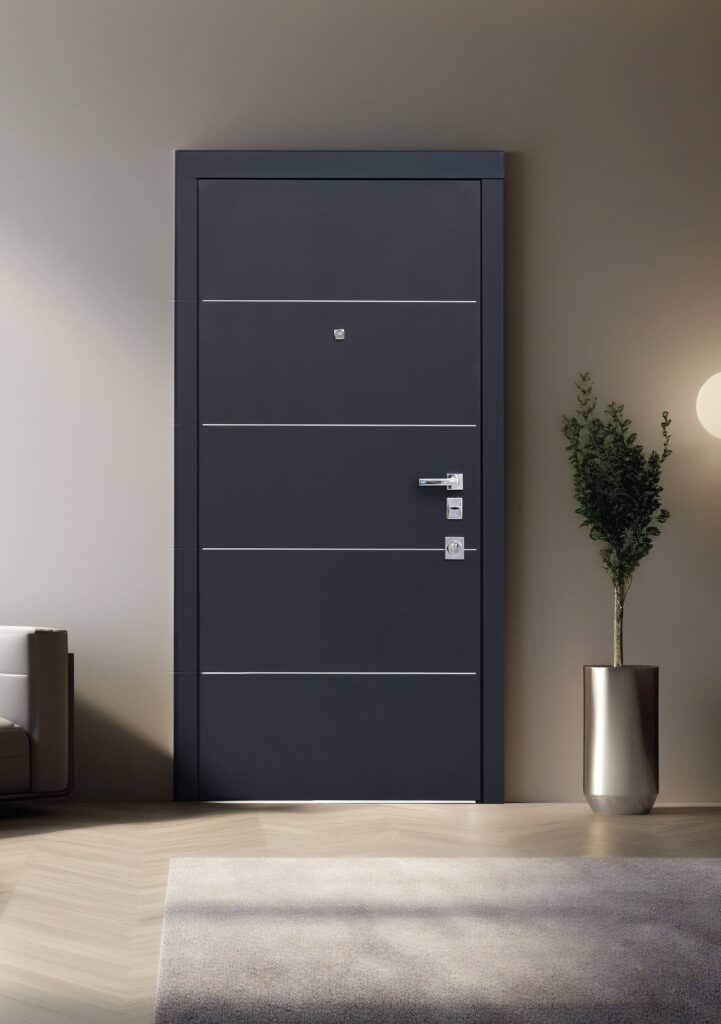
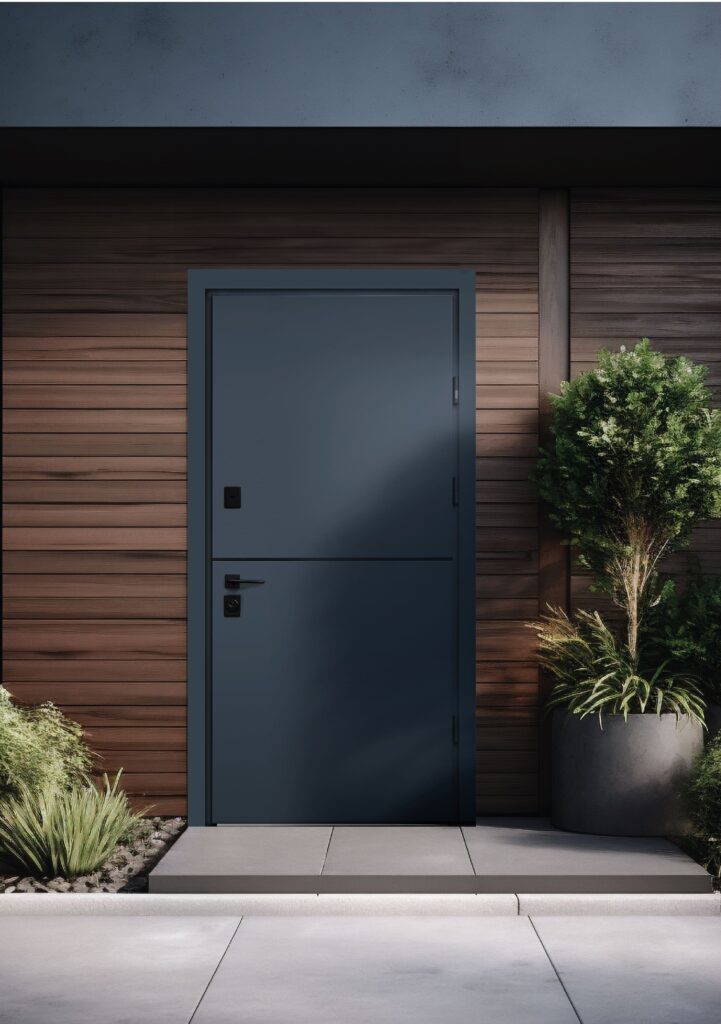
This allows burglar-resistant doors to fit perfectly into both modern architecture and classic façades.